+6281291677495

08.00 – 16.30 WIB

+6281291677495
08.00 – 16.30 WIB
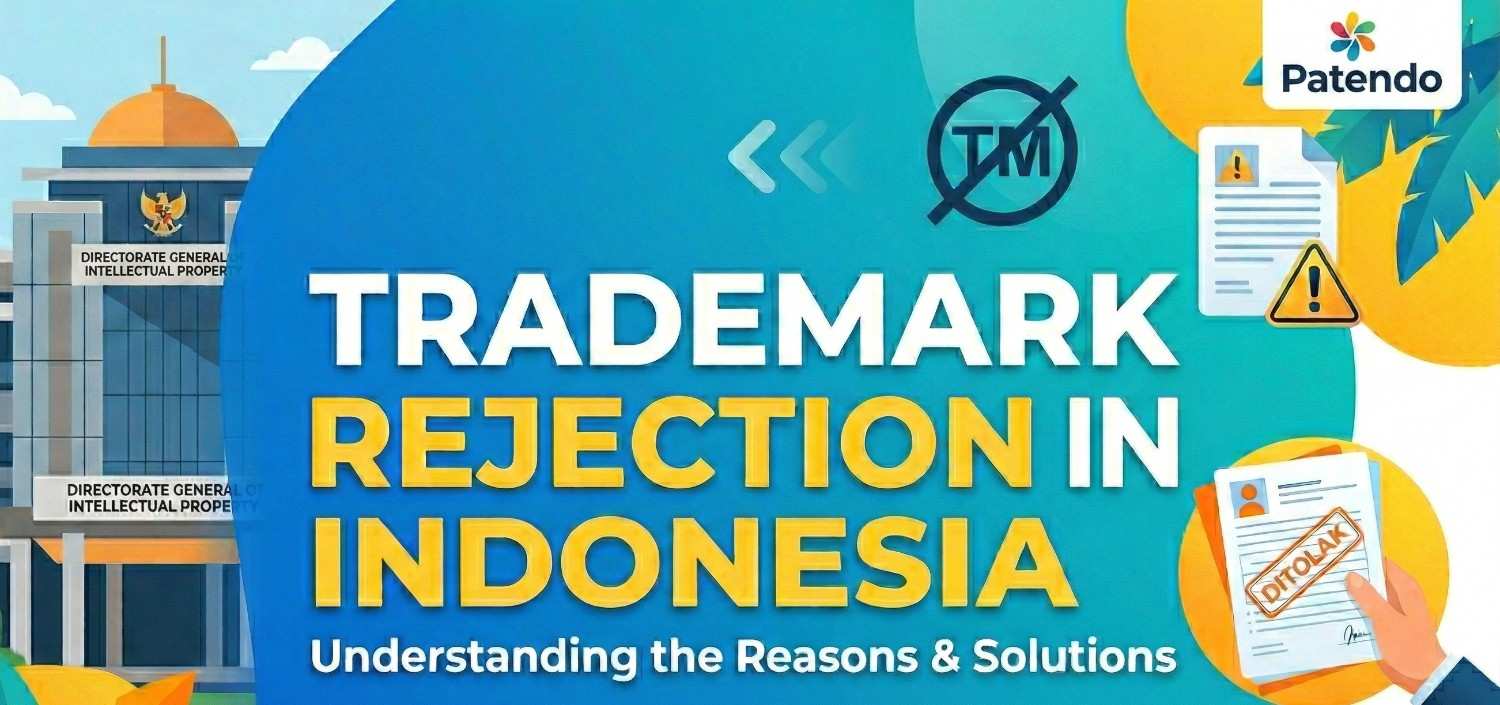
Facing a Trademark Rejection in Indonesia can feel like a sudden brick wall for business owners who are ready to expand their brand presence. You invest time, money, and creative energy into building a recognizable identity, only to have your expansion halted by an official government notice. The legal reality of this situation is deeply rooted in the strict regulatory environment governed by the Indonesian Trademark Law No. 20 of 2016. Understanding this statutory framework is the first critical step toward resolving the issue.
However, you must frame this rejection not as a definitive end to your brand, but as a critical legal intersection that requires swift and calculated action. The jurisdiction operates on a rigid system, but it also provides clear avenues for defense. This guide outlines exactly what you need to know about identifying the specific type of rejection you have received, understanding the examiner's logic, and executing a winning appeal strategy to secure your commercial rights.
The journey of registering a brand is complex. Rejections typically occur during the Substantive Examination Phase conducted by the Directorate General of Intellectual Property (DGIP). After your application passes the initial formality checks and the publication period, a specialized examiner reviews the core elements of your brand to ensure it complies with all national regulations.
It is crucial to clearly define the difference between a provisional objection and a final decision. The process begins when the DGIP issues a Notice of Provisional Refusal. This document is a Provisional Refusal (known locally as Usulan Penolakan), which serves as an initial objection rather than a permanent denial. It is a standard Trademark Office Action inviting you to defend your application. If you fail to respond or if your defense is deemed insufficient, the status changes to a Final Refusal (Penolakan Tetap). According to the World Intellectual Property Organization, understanding the distinction between provisional and final decisions is crucial for formulating an effective legal response.
This procedural strictness is born from the strategic reality of the First-to-File system. Indonesia grants constitutive rights, meaning the state only recognizes the entity that registers the mark first. The government does not recognize unregistered prior use as a standalone defense. Therefore, your official response to a Trademark Rejection in Indonesia is critical to maintaining your place in line and securing your exclusive rights.
To effectively fight back, you must first understand the "Why" behind the examiner's decision. The grounds for refusal generally fall into two distinct legal categories. Understanding the Difference between absolute and relative grounds in Indonesia is mandatory for crafting your defense.
The most common hurdle is the "Similarity" trap, which falls under Relative Grounds for Refusal (Article 21). Examiners will block your application if they find a Similarity in Principle (Persamaan pada pokoknya) or a Similarity in Essence with Conflicting Marks. This means your logo or brand name sounds, looks, or feels too much like a brand that already exists in the database. This rule also heavily protects a Prior Rights / Prior Pending Application, ensuring that whoever filed first maintains priority. According to the Ministry of Law and Human Rights guidelines, examiners heavily scrutinize visual, phonetic, and conceptual overlaps to prevent public confusion.
Conversely, Absolute Grounds for Refusal focus on the inherent qualities of the brand itself, regardless of what other companies have registered. A primary reason for this type of rejection is a Lack of Distinctiveness. Examiners will routinely reject applications consisting of Generic Terms or Descriptive Trademarks. For example, trying to register the word "Shoes" for a footwear brand will always fail because those words belong in the public domain for everyone to use. Additionally, Misleading or Deceptive Marks that misrepresent the nature, quality, or geographical origin of the goods are strictly prohibited.
The system is also designed to protect the public and global commerce from malicious actors. A Bad Faith Application aiming to piggyback on the reputation of well-known international brands will be rejected. This ensures a fair market environment and prevents local squatters from holding foreign companies hostage.
When you receive a notification from the government, the clock starts ticking immediately. Users are often looking for an actionable procedure, and the most vital piece of that procedure is respecting the DGIP provisional refusal timeline.
You are legally bound by a strict 30-Day Response Deadline. This absolute, unyielding deadline begins from the date the official notification is dispatched. You must file a legal rebuttal within this window. The cost of inaction is severe. Explaining this to applicants is vital because ignoring the notice results in the automatic withdrawal of your application. If this happens, a competitor could easily swoop in and register your name, utilizing the territoriality principle against you to lock you out of the market entirely. According to Patendo, missing the thirty day window is the most common reason foreign applicants permanently lose their filing priority.
Furthermore, procedural updates must be strictly followed. The government has modernized its infrastructure through the Electronic Filing (Sistem Online) portal. Strict adherence to DGIP digital formatting and legal structuring is mandatory when submitting your documents. A poorly formatted response can be dismissed on technical grounds before the examiner even reads your legal arguments.
Knowing How to respond to a trademark rejection in Indonesia requires a calculated, step-by-step strategy. Searching for solutions often leads to the realization that professional intervention is necessary to save the brand.
Step 1: Forensic Analysis You must begin by decoding the examiner's logic. Carefully review the specific conflicting brands cited in the Official Gazette or the refusal letter. Identify exactly which articles of the law the examiner is using against you.
Step 2: Building the Legal Rebuttal Drafting a robust Response to Provisional Refusal (Tanggapan) is your primary weapon. Filing a Rebuttal involves crafting strong arguments regarding structural, visual, or phonetic differences between your brand and the cited conflicts. You must provide actionable evidence. This includes gathering proof of acquired distinctiveness, showcasing evidence of extensive prior commercial use, and submitting large scale marketing materials to prove your brand stands on its own. Overcoming Trademark Objections requires presenting a narrative that proves the public will not be confused.
Step 3: Leveraging the Nice Classification A highly effective tactic is utilizing the Nice Classification (Classes 1 to 45). You can argue that your goods or services target an entirely different consumer base or operate in a different trade channel than the conflicting brand, thereby nullifying the risk of public confusion.
Step 4: Formal Representation Because navigating the DGIP requires highly specific legal arguments, the "Who" becomes just as important as the "How". Hiring an Indonesian trademark lawyer for refusal or a licensed professional is essential. In fact, foreign entities are legally required to use a Registered IP Consultant to process their applications, rebuttals, and appeals. Even if you file internationally through the WIPO Madrid Protocol Indonesia system, local examination rules apply, and a local consultant is required to answer office actions on your behalf.
If the substantive examiner rejects your written rebuttal, or if you failed to respond in time, a final rejection is issued. However, the fight is not necessarily over. Appealing a rejected trademark in Indonesia moves the battlefield to a higher authority.
You can escalate the case to the Trademark Appeal Commission (Komisi Banding Merek). This independent tribunal operates separately from the standard examiners. Following a final refusal, you have a strict 90-Day Appeal Window to file a comprehensive formal appeal. This process requires a completely new set of legal arguments and evidence demonstrating why the examiner's final decision was flawed. According to academic research from the University of Indonesia, a well structured appeal significantly increases the chances of overturning a final rejection decision.
If the Appeal Commission also rules against you, there is an ultimate, last resort option. You can initiate a Commercial Court Appeal by filing a lawsuit against the Appeal Commission at the Commercial Court Jakarta. This shifts the matter from an administrative dispute to formal judicial litigation, which can be time consuming but is sometimes necessary to save highly valuable corporate assets.
Does a rejection mean I am committing trademark infringement? Not necessarily. A rejection is an administrative block preventing registration. However, if the rejection is based on relative grounds and you continue to use the mark, the owner of the conflicting brand could potentially sue you for infringement.
Can I negotiate a Licensing Agreement or get a Letter of Consent from the conflicting brand? While a Letter of Consent is highly effective in many Western jurisdictions, the Indonesian DGIP historically scrutinizes them heavily. They are sometimes accepted if they clearly prove no public confusion will occur, but they are not a guaranteed workaround.
If I win the appeal, does my 10-Year protection term start immediately? Your protection term is calculated retroactively from your original filing date (the priority date), not from the date you win the appeal.
Can I change my logo slightly and resubmit to bypass the rejection? You cannot alter an existing application once it is filed. You would need to file a completely new application with the modified logo, which means you lose your original filing date and must pay new government fees.
How does an active opposition from a third party factor into a rejection? If a third party files an opposition during the publication phase, the examiner will consider their arguments during the substantive examination. If the examiner agrees with the opponent, this will result in a provisional refusal based on those third party claims. In extreme cases, disputes over registered marks can also lead to a Trademark Cancellation Lawsuit post registration.
Navigating a Trademark Rejection in Indonesia demands precision, profound legal knowledge, and immediate action. From understanding the difference between absolute and relative grounds to respecting the unforgiving deadlines, proactive professional legal strategy is the only way to rescue a stalled application. Do not let administrative hurdles destroy your market expansion plans. According to Patendo, taking proactive steps today is the only way to secure your commercial legacy tomorrow. We urge you to immediately contact a registered IP consultant at Patendo to review your rejection letter before the thirty day timer expires.
Author Bio:
Budi Santoso is a Senior Legal Correspondent and Intellectual Property Analyst with over 10 years of experience navigating Southeast Asian corporate law. Budi specializes in translating complex legal statutes into actionable business strategies for multinational corporations.
Patendo is a Registered Intellectual Property Consultant appointed and sworn in by the Minister of Law and Human Rights, providing services for the renewal and registration of patents, trademarks, copyrights, and industrial designs.




Address :
PATENDO, Satrio Tower Level 16, Jl. Prof DR Satrio Kav C4, South Jakarta 12950
Whatsapp :
+6281291677495
Closed on Sundays and national holidays
Email :
cs@patendo.co.id
Working Hours :
08.00 – 16.30 WIB
Break Time :
12.00 – 01.00